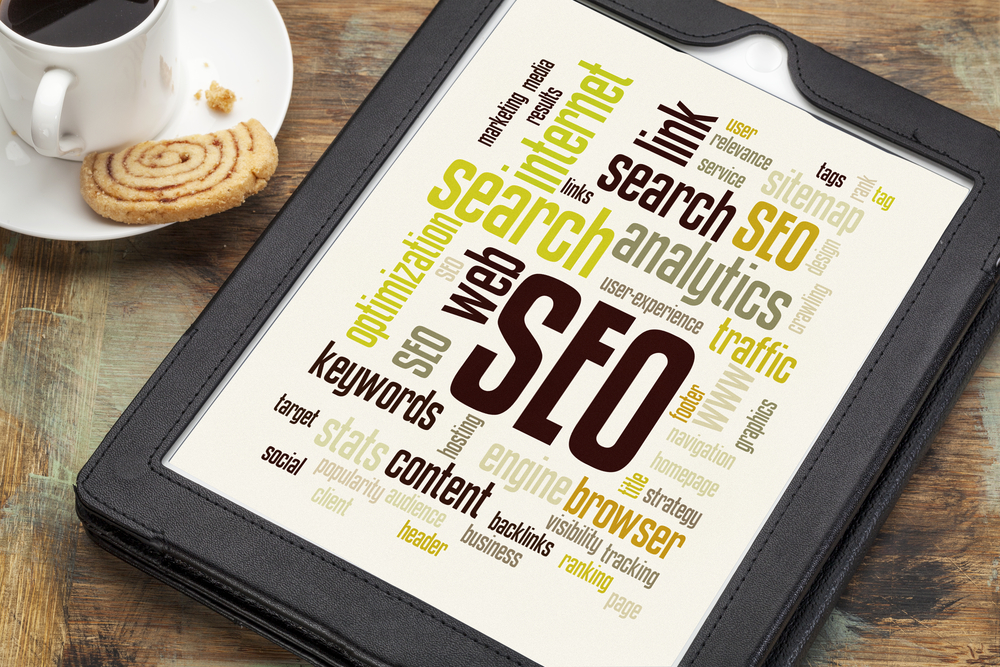
When it comes to gaining visibility and increasing traffic to your website, search engine optimization ( SEO (or SEM) ) and link building are two essential strategies that every website owner should master. SEO involves optimizing your website to rank higher in search results, while link building focuses on acquiring high-quality backlinks from other websites. Together, these two techniques can significantly improve your website's organic ranking and drive more targeted traffic. In this article, we will explore some expert tips and tricks to help you master the art of SEM/SEO and link building.
The Foundation of: Keyword Research
Before diving into the intricacies of SEO/SEM , it's crucial to start with thorough keyword research. Keywords are the search terms used by internet users to find information on search engines. By identifying the right keywords for your website, you can optimize your content and web pages accordingly.
To find the most relevant keywords for your website, you can use keyword research tools like Google Keyword Planner, Moz Keyword Explorer, or SEMrush. These tools provide valuable insights into search volume, competition, and related keywords. Choose keywords that are highly relevant to your website and have a decent search volume. Once you have identified the keywords, incorporate them naturally into SEO (search engine optimization) your website's content, title tags, meta descriptions, and headings.
Create High-Quality and Optimized Content
High-quality and optimized content is the backbone of any successful SEO strategy. When it comes to content optimization, follow these best practices:
Produce original and engaging content that adds value to your target audience. Avoid duplicating or plagiarizing content from other sources.
Structure your content with clear headings and subheadings using HTML header tags (H1, H2, H3) to improve readability and enable search engines to understand the content structure.
Include relevant keywords naturally within your content. Do not keyword stuff as it may lead to a penalty from search engines.
Create content that provides comprehensive information on a topic and offers a unique perspective. Longer-form content tends to perform better in search results.
Optimize On-Page Elements
In addition to creating high-quality content, optimizing on-page elements is crucial for SEO success. Pay attention to the following on-page elements:
Page titles: Include relevant keywords in your page titles to improve search visibility. Keep the titles concise, descriptive, and compelling.
Meta descriptions: Write compelling meta descriptions that entice users to click on your search result. Include relevant keywords and keep the description within 150-160 characters.
URL structure: Use descriptive and keyword-rich URLs that are easy for users and search engines to understand. Avoid lengthy URLs with unnecessary parameters.
Image alt tags: Optimize your images by adding descriptive alt tags. Alt tags help search engines understand the content of the image and can contribute to image search rankings.
The Power of Link Building
In addition to optimizing your on-page elements, building high-quality backlinks is vital for SEO success. Backlinks are links from external websites that point to your site, signaling its popularity and authority. However, not all backlinks are created equal.
Here are some tips to help you master the art of link building:
Focus on quality over quantity: Aim for high-quality backlinks from authoritative websites in your industry. A single link from a reputable website can significantly boost your search engine rankings.
Create valuable content: When you create valuable and informative content, other websites are more likely to link to your content naturally. Invest time in creating in-depth guides, research papers, and infographics that other websites will find valuable.
Guest blogging: Seek opportunities to contribute guest posts to reputable websites. Guest blogging allows you to showcase your expertise, build relationships with other bloggers, and earn backlinks in return.
Broken link building: Find broken links on other websites and reach out to the website owners. Offer a replacement link to your content that can fill the gap. This strategy helps both parties by fixing broken links and earning a backlink for your website.
Monitor and Analyze Your SEO Efforts
Implementing SEO strategies is not a one-time task. It requires continuous monitoring and analysis to ensure the effectiveness of your efforts. Use tools like Google Analytics and Google Search Console to track your website's performance and gain insights into user behavior.
Regularly analyze key metrics such as organic traffic, bounce rate, average session duration, and conversion rates. Identify areas for improvement and make necessary adjustments to your SEO strategy. Keep an eye on changes in search engine algorithms and adapt your strategies accordingly.
Frequently Asked Questions
Q: How long does it take for SEO efforts to show results?
A: SEO is a long-term strategy, and it takes time to see significant results. On average, it can take anywhere from a few months to a year to see noticeable improvements in search engine rankings and organic traffic.
Q: Should I focus on on-page SEO or off-page link building?
A: Both on-page SEO and off-page link building are essential for a well-rounded SEO strategy. On-page SEO ensures that your website is optimized for search engines, while off-page link building helps improve your website's authority and credibility in the eyes of search engines.
Q: Are backlinks from social media platforms important for SEO?
A: While backlinks from social media platforms may not directly impact your website's SEO, they can indirectly contribute to improved SEO. When your content is shared on social media and attracts engagement, it can lead to increased visibility and the potential for earning high-quality backlinks from other websites.
Q: Is it necessary to hire an SEO agency for my website's optimization?
A: Hiring an SEO agency can be beneficial, especially if you lack the expertise or time to handle SEO strategies yourself. SEO agencies have the knowledge and experience to implement effective SEO techniques, monitor progress, and make data-driven adjustments to drive optimal results. However, if you have the resources and commitment to learn and implement SEO strategies yourself, it is possible to achieve successful results without an agency.
Q: How often should I update my website's content for SEO purposes?
A: Regularly updating your website's content is crucial for SEO. Fresh and updated content signals to search engines that your website is active and providing up-to-date information to users. Aim to update your content at least once every few months, but more frequent updates are even better.
In conclusion, mastering the art of SEO and link building requires a combination of keyword research, optimized content, on-page optimization, high-quality link building, and continuous monitoring and analysis. By following expert tips and tricks, you can improve your website's visibility, increase organic traffic, and stay ahead in the highly competitive digital landscape.
Other useful resources
- https://simple.wikipedia.org/wiki/Search_engine_optimization
- https://www.seoguru24.com/services/link-building/